
Riot Grrrl emerged in Olympia, Washington in 1991, when a group of women became disillusioned with the overly white male dominated hardcore and punk scenes of the time. Pushing women out of a scene in which icons such as Poly Styrene, Patti Smith and Joan Jett had had such a hand in moulding into what it was. In the late 1970s, punk had initially been very profeminist. However as the community grew, violent masculine tones of anarchy became a message in and of itself, writes Larkin (2016). Women were finding less room for their own creative expression as U.S punk scenes moved toward a new style of punk called hardcore which was faster, louder and more aggressive than earlier incarnations of punk, hardcore shows became notorious for violence especially among male fans in mosh pits. As the scene moved more towards hardcore and turned into an arena for men to assert their masculinity and dominance through aggressive behaviours, women found themselves being pushed out of active participatory roles and reduced into groupies or working in behind the scenes roles.
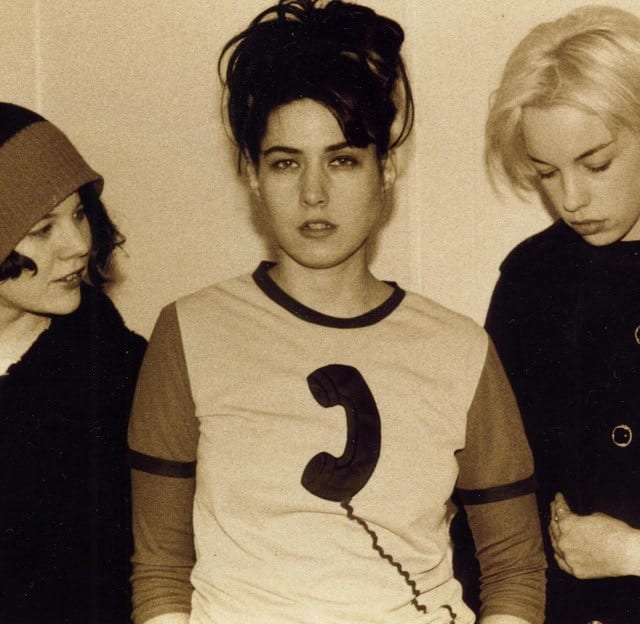
Women in the punk scene held a meeting to discuss how to deal with the blatant sexism in the community. Influenced by the recent anti racist riots in D.C. these women decided that they wanted to start a ‘girl riot,’ against a culture which didn’t care about women’s experiences and repeatedly pushed them out. The term Riot Grrrl first appeared in a fanzine, the main form of media used to spread news about the media at the time. The word ‘Girl’ was replaced by ‘Grrrl’, a more aggressive looking word, representing anger and sounding like a growl. While the use of the word ‘girl’ came from the desire to focus on childhood, a time in which we are not aware of the injustice in the world and a time when girls have the strongest self-esteem and belief in themselves before they hit puberty. As the founders of the movement had ties with the punk scene there are obvious parallels in its DIY ethos and use of shock in performance to get its point across, Riot Grrrl was much more radical in nature. As Emily White writes, “Riot Grrrl co-opted the values and rhetoric of punk, fifteen years after the fact, in the name of feminism—or as they call it ‘revolution-girl style now’.”
As a response to this pronounced sexism Kathleen Hanna, frontwoman of Bikini Kill, wrote the original Riot Grrrl Manifesto. A movement that was purposefully offensive with an attitude to go with it, Riot Grrrl ripped apart social conventions with its graphic language and driving music. The bands of the movement, “screamed with rage against male abuse, celebrated an independent female sexuality, and called for a grrrl-style revolution.” (Freedman, 2007) With individualism at the core of the cause, factors such as pragmatism were often sacrificed as many believed that if the Riot Grrrl movement was organised it would cost grrrls the individuality that they are constantly fighting for.
A self-proclaimed movement of very young, very angry women discovering their own power through frenzied productivity (White,1992) were on their way to change, taking control one town at a time. The believed birthplace of Riot Grrrl is Olympia, Washington, which has ties to the Seattle scene, spiritual home to Nirvana and Sub Pop. Indie record label K Records also finds its home here, a label who were instrumental in encouraging girl bands. In the Summer of 1991, K records hosted a week long International Pop Underground convention. At this time more than 50 bands from all over the world descended on the town, but what was most important about this convention was its first day, Girl Day. Girl Day was a day which editors of the zine Girl Germs, Alison Wolfe and Molly Neuman, call “prdct,” Punk Rock Dream Come True. For one night only girls took to the stage with bands such as Kreviss, Seven Year Bitch, Tiger Trap, Heavens To Betsy and members of Bikini Kill all took part. Many Riot Grrrls see that night as some sort of beginning.
In 1992 independent record label Kill Rock Stars released a self-titled album by the band Bikini Kill, opening with the line, “We’re Bikini Kill and we want revolution girl-style now.” An obvious battle cry and a call for girls across the country to move outside of the so-called ‘bedroom culture,’ of female fandom and into the realm of a burgeoning subculture. Bikini Kill were one of the first and arguably most prominent bands in the emerging Riot Grrrl scene in Olympia although there were other bands such as Bratmobile, fronted by Alison Wolfe and Heavens to Betsy. It was Alison Wolfe and drummer of Bratmobile Molly Neuman who started the zine ‘Riot Grrrl’, reporting on a series of all-girl meetings which were crucial in spreading the news about issues in the scene and to articulate the Riot Grrrl ethos. In 1992 there were approximately ten weekly Riot Grrrl meetings across the United States, proving that this anger wasn’t just a fad, it was something real and meant something to girls who could relate to the cause. In the summer of 1992 the first ever national Riot Grrrl convention was held with workshops in fanzine making and surviving sexual abuse as well as long jam sessions (White,1992.)
As the movement grew, these meetings and conventions spread nationwide and by the mid-1990s conventions were being held in Omaha, Tacoma, Santa Barbara, Boston, New York City and Chicago among others.However by the late 1990s the Riot Grrrl movement had generally died out. It had become what it swore it wouldn’t be, too organised. Competing with other notions of Girl Power coming from the Spice Girls in The United Kingdom, Riot Grrrl was no longer viable. However, the movement still lives on today. Constantly reinventing itself, Riot Grrrl is influential in both feminist expression and the music scene. Bands such as The Regrettes, Sleater Kinney and Childbirth still sound like the Riot Grrrl band of the 1990s. Riot Grrrl paved the way for angry girls and women to express themselves as they wanted to and until genuine change occurs there will always be a place in music culture for Riot Grrrl.
References
White, E. (1992). Revolution girl style now. Rock She Wrote: Women Write About Rock, Pop and Rap, 396-408.
Freedman, E. (Ed.). (2007). The essential feminist reader.




Leave a Reply