
Is capitalism the killer of subculture?
When we talk about selling out, what do we really mean? Well, we can define it as a betrayal of principles in an effort to get somewhere or something better, in this day and age it’s usually about money. Nothing is immune to selling out or being commercialised. Heavy Metal sold out, as did rock music and punk. John Lydon selling Country Life butter to the masses is one of the least anti-establishment things I could think of. Perhaps selling out is just a part of a subculture’s life cycle? But can we say the same of Riot Grrrl, did it sell out or did it stay true to its original ethos?
After Riot Grrrls initial run, burning bright and crashing all within the span of five years, it didn’t take long for its slogans and aesthetics to be appropriated by record label execs and made into something more palatable and more importantly, more marketable. In popular culture, especially in the UK, utter the words Girl Power and the Spice Girls come to mind. Not the Riot Grrrls of days before, not Bikini Kill or Bratmobile or even a more general female-fronted band like Hole. The band that comes to mind is the Spice Girls, who massively capitalised and profited off the back of feminist ideology without the punk or DIY ethos. Discussion around the Spice Girls authenticity toward the statements that they built themselves on are varied, some saying that it was a furthering of sentiments found in Riot Grrrl others believing it to be a marketing tool. One way that we can view the Spice Girls is that yes, they were spreading the same feminist agenda as aforementioned bands, however they were doing so in a more domestic, socially acceptable way. Whether or not this did encourage genuine societal changes is yet to be seen. Although, former Spice Girl Mel B did raise a few eyebrows with her proclamation that Thatcher had Girl Power on The Eric Andre Show. Are you sure about that Mel?
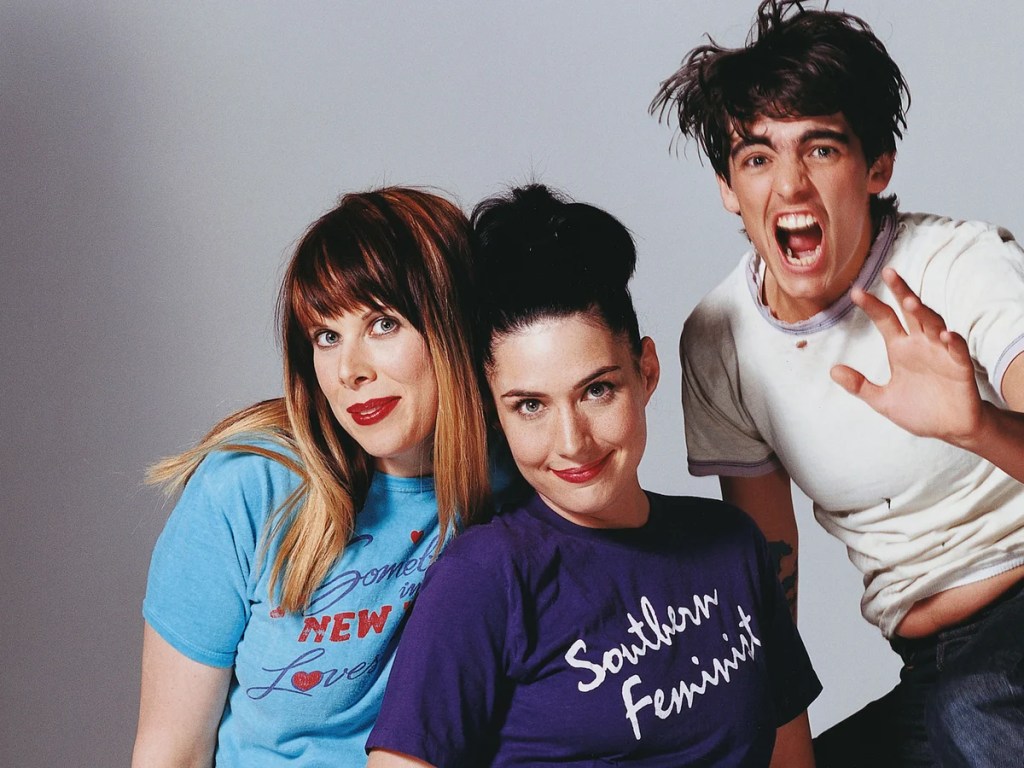
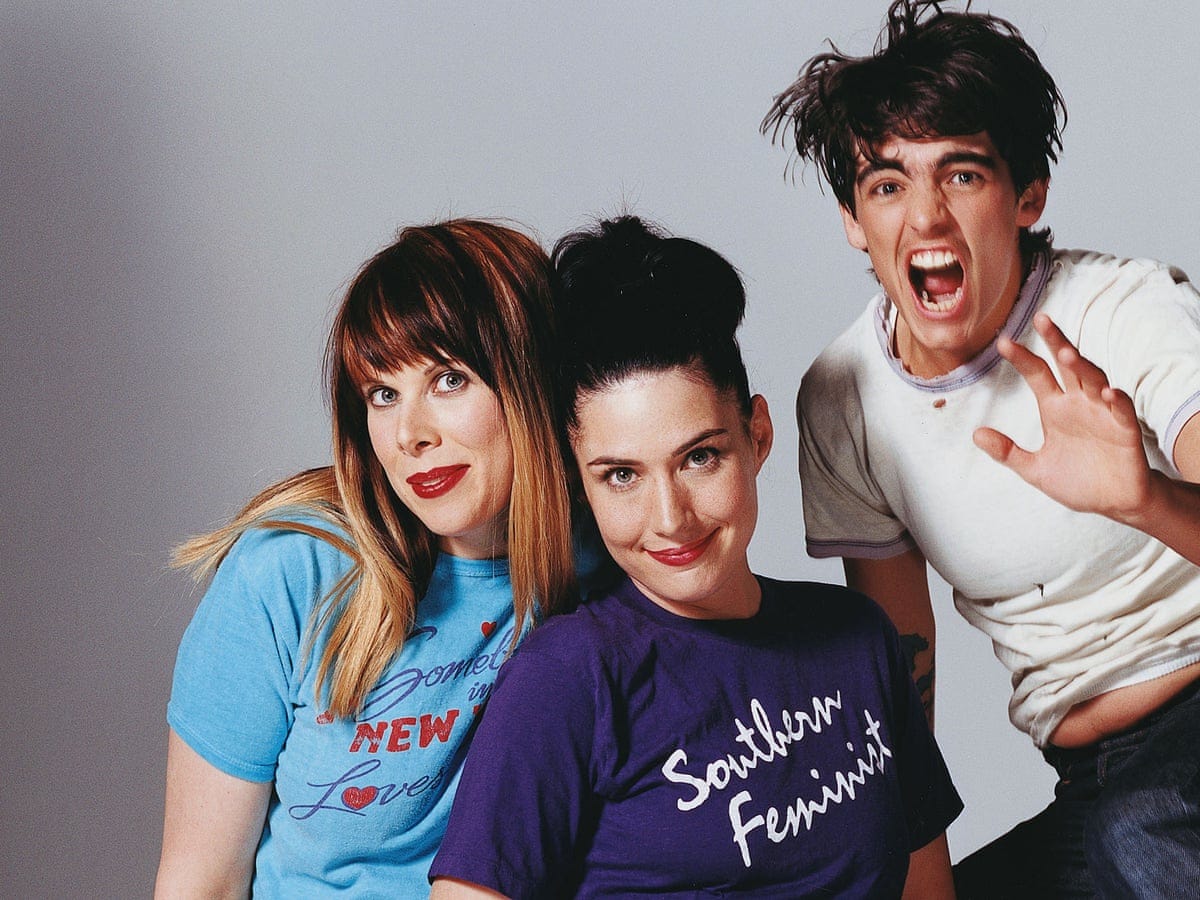
Kathleen Hanna, often cited as one of the pioneers of Riot Grrrl has come under fire for allegedly selling out, but then again what do you do after being the figurehead of a movement that died? You just have to keep on keeping on. After the supposed death of Riot Grrrl, Hanna released a solo album under the pseudonym, Julie Ruin. And while wanting to perform these songs live she didn’t want to do so alone and so she recruited Johanna Fateman who would later go on to form Le Tigre with Hanna. Le Tigre had some success and in 2004 found themselves signing a make-or-break record deal with Strummer, a subsidiary of the major label, Universal Records, not so DIY are we Kathleen? Fans of Bikini Kill saw this move as the band selling out and commercialising the Riot Grrrl movement. It also didn’t help when the band performed at Michigan’s Womyn’s Music Festival in 2005, an exclusionary festival with an anti-trans stance, which lead critics to assume that Le Tigre were transphobic, although Hanna has said on social media that she supports Trans Rights, she has never addressed the controversial 2005 performance.
Capitalism is the killer of subculture. Too often are styles and movements appropriated in order to make money for someone who has nothing to do with the original material and frankly never cared for it either. Tramp Stamps, also lovingly referred to as the most hated band on the internet, a perfect example of a record label exec trying to jump on a bandwagon and failing miserably. As we all know by now the most used social media by young people nowadays is TikTok. Perfect for short form media content the platform is able to assign each user an algorithm in which you view content that the algorithm thinks you’ll interact with. This usually succeeds but what happens when users are shown content which creates such hatred towards a certain group? Tramp stamps were a new pop-punk girl group which used TikTok as a tool to market their newest single which was all about how much it sucks to hook up with men. A little on the nose and coming off as seeming to try way too hard to appeal to certain circles of subculture, it didn’t take long for internet detectives to accuse the band of being ‘Industry Plants’ and only being formed to make a profit. Not for the real beliefs of the Riot Grrrls they were trying so hard to emulate. With a PR ready website and social media channels which appeared too polished to be legitimately DIY it was soon found out that all three members had previously had rather unsuccessful careers in music and were hoping to succeed by co-opting aesthetics which people dedicate their lives to. In the end it came down to the band being inauthentic and trying to be something they were not. That was what really ruffled some feathers.
So when we talk about selling out what do we really mean? In some regards it’s fair to say that Riot Grrrl has now become just another trend or an aesthetic to profit off. But then again so has almost every other political music movement. In a capitalist society can we really blame people for selling out? Or maybe if we look under the surface of these movements we can see that they are still alive and thriving in the way that they set out to. However, as Kathleen Hanna herself says in regards to the movement, “Don’t revive it, make something better,” so maybe it’s time we let go of the original notions of what Riot Grrrl was and let it be a sellout, that way there will enough be room for something better than the original movement to exist.




Leave a Reply